Rural Empowerment Initiative
Understanding Rural Poverty in Ezimo
The Rural Empowerment Initiative of the L.U. Mbah Foundation addresses one of the most fundamental challenges facing the Ezimo community and its surrounding villages: the persistent, grinding poverty that affects families across the region. Unlike urban poverty, which often benefits from proximity to services, infrastructure, and economic opportunity, rural poverty is characterised by isolation, limited access to markets, inadequate infrastructure, and a scarcity of the basic resources that most people take for granted.
For many families in Ezimo, daily life is a constant negotiation between competing needs — food versus medicine, school fees versus clothing, shelter repairs versus farming inputs. These are not abstract choices; they are the painful realities that parents face every single day as they struggle to provide for their children and maintain some semblance of stability in the face of overwhelming odds. The toll of this poverty is not only material but emotional and psychological, eroding hope and self-worth over time.
The L.U. Mbah Foundation’s Rural Empowerment Initiative was conceived as a direct response to these realities. Rather than offering a one-size-fits-all solution, the programme is designed to be flexible, responsive, and deeply attuned to the specific needs of the families it serves. It recognises that empowerment begins with meeting people’s most basic needs, and then building from that foundation toward greater self-sufficiency and resilience.
Basic Stipends: A Lifeline for Families
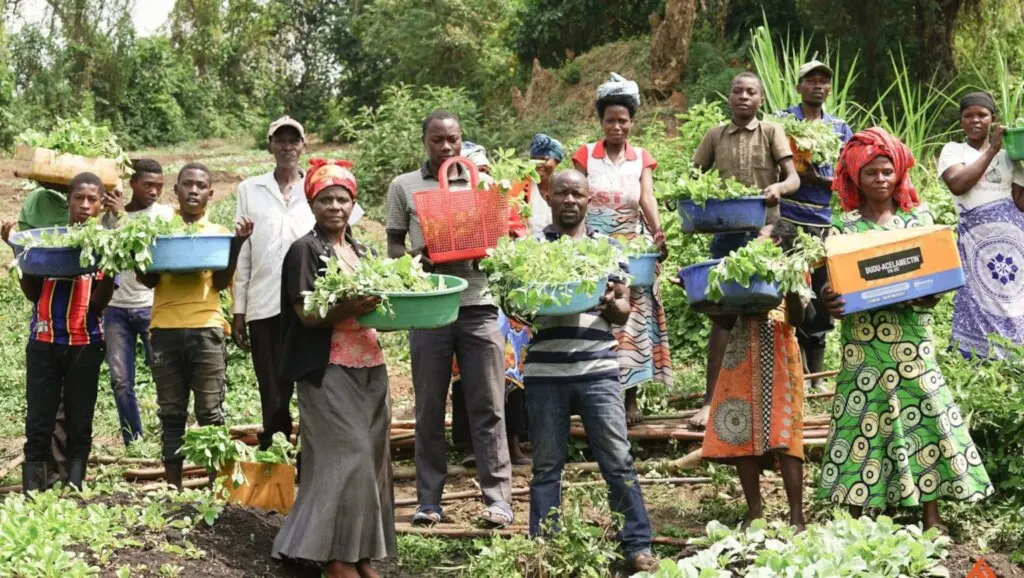
Our Rural Empowerment Initiative provides basic stipends and essential supplies to families. The stipend component of the programme is designed to provide a reliable, regular source of income to families that have been identified as being in the greatest need. These stipends, while modest, can make an enormous difference in the lives of families living on the margins, enabling them to purchase food, pay for medical care, cover school fees, and address other critical expenses.
The process for identifying and selecting beneficiary families is thorough and transparent. The Foundation works closely with community leaders, village elders, and local social workers to identify families whose circumstances are most dire. Priority is given to households headed by widows, elderly individuals living alone, families caring for orphaned children, and those affected by chronic illness or disability. This targeted approach ensures that the programme’s resources reach those who need them most.
Stipends are distributed on a regular schedule, providing families with a sense of predictability and stability that is often lacking in their lives. The regularity of the payments allows families to plan and budget, reducing the stress and uncertainty that accompanies irregular or unpredictable income. For many recipients, the stipend is the first reliable source of income they have ever had, and its impact on their sense of security and well-being is profound.
Building Community Resilience
The ultimate goal of the Rural Empowerment Initiative is not to create dependency but to build the resilience and capacity of the communities it serves. The Foundation understands that sustainable change requires more than the provision of material resources; it requires investment in the social, economic, and institutional structures that enable communities to thrive independently.
To this end, the programme includes components focused on community organising and leadership development. The Foundation works with local leaders to strengthen community governance structures, improve resource management, and build the collective capacity to identify and address challenges as they arise. Workshops on financial literacy, conflict resolution, and community health are offered regularly, equipping community members with the knowledge and skills they need to take ownership of their own development.
The Rural Empowerment Initiative has become one of the Foundation’s most visible and impactful programmes, touching the lives of hundreds of families across the Ezimo community. Its success is a testament to the power of a holistic, community-centred approach to poverty alleviation — one that honours the dignity of every individual and invests in the long-term well-being of the community as a whole.

FAQs
Your Questions, Answered
Learn more about our foundation, donation process, and community projects through our most frequently asked questions.
Louis Uchenna Mbah was born on September 15th, 1945. He was more than a parent — he was a teacher, a protector, and a friend to his kids. He taught them that strength is not about how loud you speak, but how deeply you care. He showed them that love is not just in the words you say, but in the quiet sacrifices you make every single day.
Dad lived by a set of values that shaped everyone around him — honesty, kindness, humility and service to community. He believed in doing the right thing, even when no one was watching. He believed in giving more than you receive.
His laughter could fill a room, his wisdom could calm a storm, and his love could heal the deepest wounds. Even in his quiet moments, he had a way of making you feel safe, seen, and valued.
He was indeed a great role model to his immediate family but also to the world at large.
You can donate directly through our website using our secure payment options. We also accept bank transfers and in-kind donations such as food, clothing, or educational materials. Every contribution helps us reach more lives in need.
Yes. We welcome volunteers who are passionate about making a positive impact. You can reach out through our contact page to learn about current opportunities.
We operate both locally and through wider outreach initiatives, supporting communities wherever help is most needed.
Donations go directly toward our programs, community projects, and operational support that help us achieve our mission transparently and responsibly.
Absolutely. We’re open to partnerships with individuals, organizations, and brands that share our values and vision.